
The Conflict of Faith and Reason
The Master and MargaritaThe novel explores the clash between atheist ideology and the reality of the supernatural, embodied in the dialogue between Berlioz and Woland.
increasing Bearing strength in each event
 decreasing
Bearing strength in each eventdecreasingThe Atheist Editor
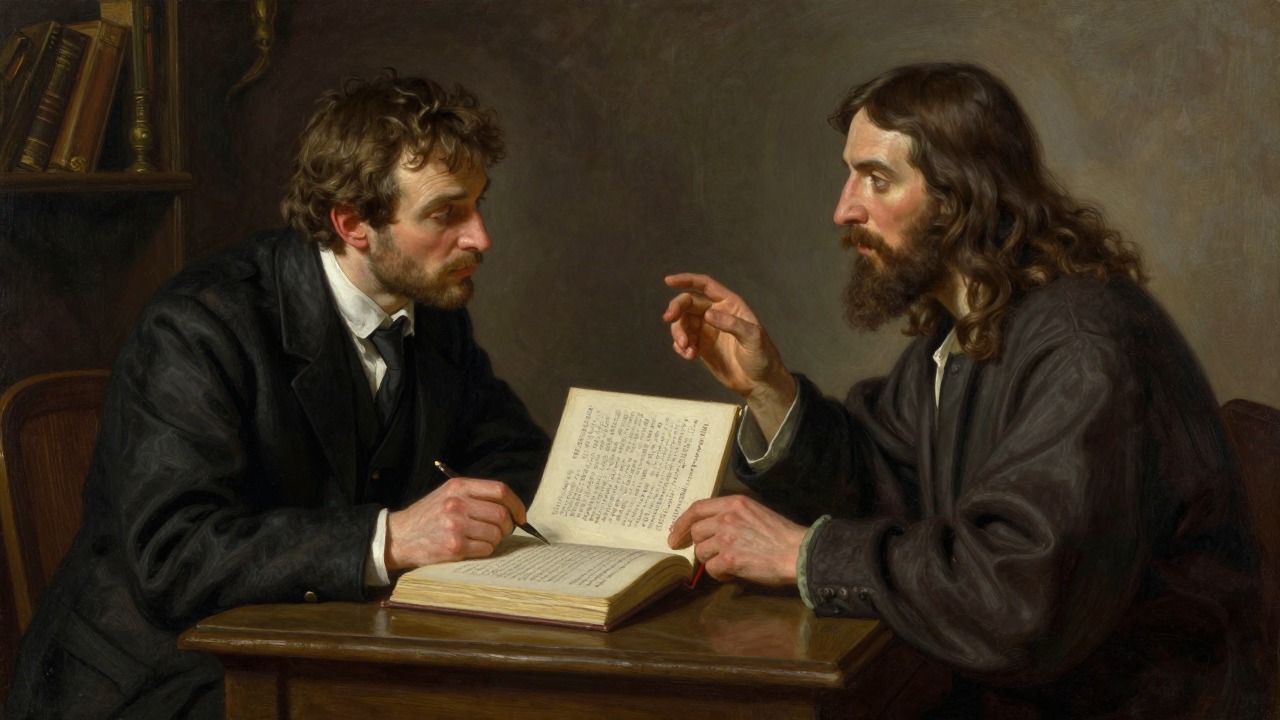
The Denial of God
The Commission
Mikhail Alexandrovich Berlioz, an editor of a literary journal, commissions an anti-religious poem from the poet Ivan Homeless. He lectures Ivan on the non-existence of Jesus, citing historical sources.
The Certainty
Berlioz is confident in his atheist worldview. He believes that all religions are myths, and that Jesus never existed. He is a product of Soviet education, which denies any spiritual reality.
The Challenge
Woland appears and challenges Berlioz's beliefs. He claims that Jesus did exist and that he was present at the trial. Berlioz is forced to confront a contradiction to his rational worldview.
The Prophecy of Death
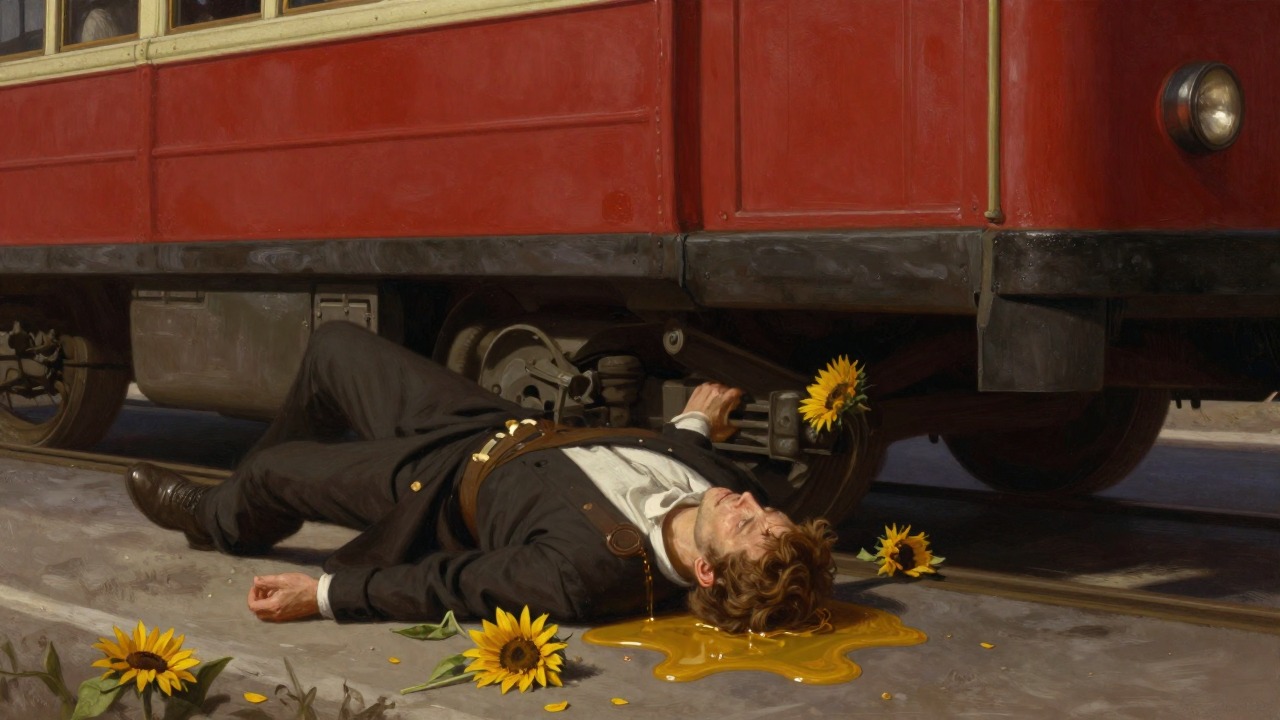
The Seventh Proof
The Predictions
Woland tells Berlioz that he will die by beheading, and that the meeting he plans to attend will not take place. Berlioz dismisses the prophecy as madness.
The Fulfillment
As Berlioz leaves, he slips on spilled sunflower oil and falls under a tramcar, his head cut off. The prophecy is fulfilled exactly, proving the existence of a supernatural order.
The Irony
Berlioz, who denied the existence of God and the devil, is killed by a seemingly random accident. The novel suggests that the universe is not governed by reason alone, but by forces beyond human understanding.
The Aftermath of Unbelief
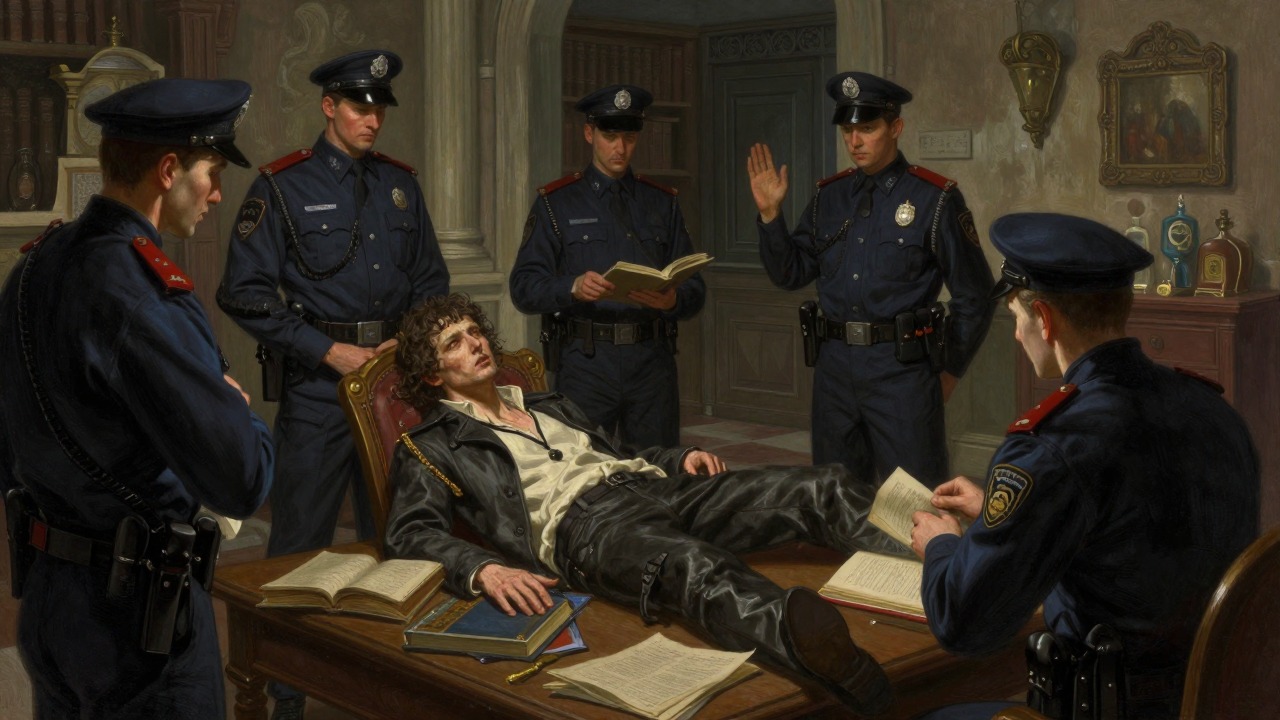
The Consequences
The Spread of Chaos
After Berlioz's death, the supernatural events multiply. The state institutions are thrown into confusion. The atheist ideology is unable to explain or contain the magic.
The Reaction of the Authorities
The police and the secret services try to investigate but are powerless. They attempt to rationalize the events, but the absurdity only grows.
The Victory of the Irrational
The novel suggests that the rational, materialist worldview of the Soviet system is an illusion. The supernatural proves itself to be more real than the false reality imposed by the state.
Early evening of the first day
Same evening
Following days
